

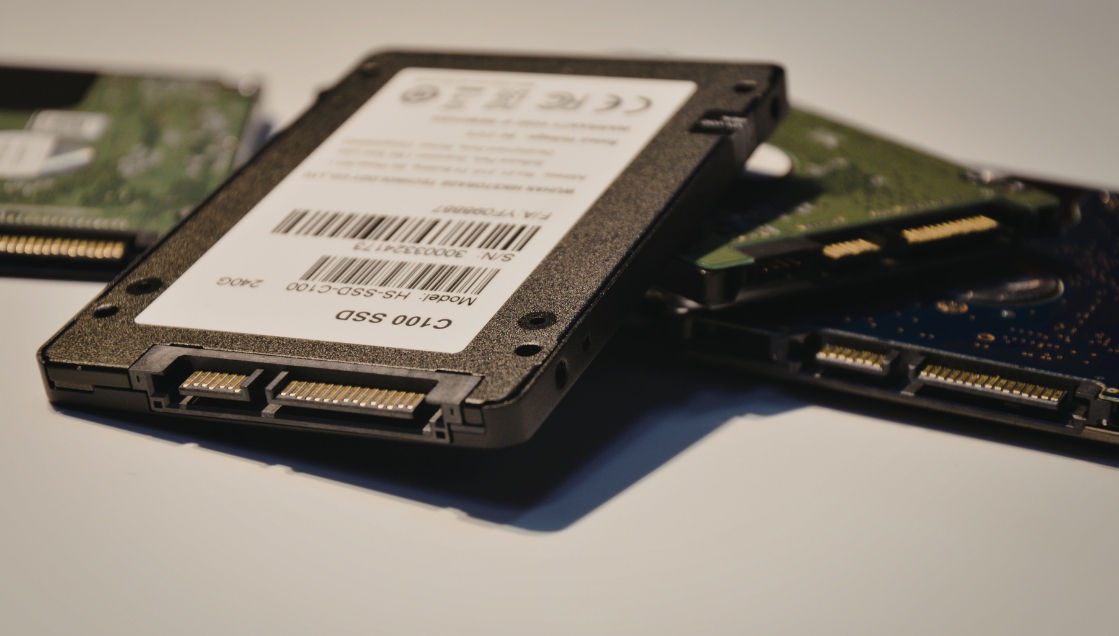
The smart home industry has grown rapidly in recent years, with more homeowners investing in automation, security, and integrated living solutions. However, a less visible trend is beginning to impact pricing across the board, which is the increase in SSD and DDR memory costs.
From smart hubs to security systems and automation controllers, many smart home devices rely heavily on memory components. As global prices for SSD (Solid State Drives) and DDR (Double Data Rate) memory rise, consumers can expect a corresponding increase in overall smart home system costs.
What Are SSD and DDR, and Why Do They Matter?
Before diving into pricing, it is important to understand what these components do.
- SSD (Solid State Drive): Used for fast data storage, allowing smart systems to process and retrieve information quickly
- DDR (Memory/RAM): Enables devices to run multiple processes smoothly and respond instantly to commands
In smart home environments, these components are essential for:
- Central control hubs
- Smart surveillance systems
- AI-powered automation
- Voice control processing
- Data logging and analytics
The more advanced your system, the more it depends on high-performance memory.
Why Are SSD & DDR Prices Increasing?
Several global factors have contributed to the rising cost of memory components:
1. Supply Chain Constraints
Fluctuations in semiconductor production and supply chain disruptions have limited the availability of memory chips, driving up prices.
2. Increased Global Demand
Industries such as AI, data centres, and consumer electronics are consuming large volumes of SSD and DDR, creating higher competition for supply.
3. Technological Advancements
Newer smart home systems require faster and more efficient memory, which often comes at a premium compared to older hardware.
4. Manufacturing Costs
Rising costs of raw materials, energy, and production processes are also pushing memory prices upward.
How This Affects Smart Home Devices
While memory components are not always visible to end users, they play a critical role in how devices function. As SSD and DDR prices increase, manufacturers and integrators face higher production costs.
Key impacts include:
- Higher device prices: Smart hubs, controllers, and surveillance systems may see gradual price increases
- Increased system integration costs: More advanced setups require higher memory capacity, raising overall project costs
- Premium for performance: Faster and more responsive systems may come at a higher price point
- Upgrades becoming more expensive: Expanding an existing system may cost more than before
Which Smart Home Components Are Most Affected?
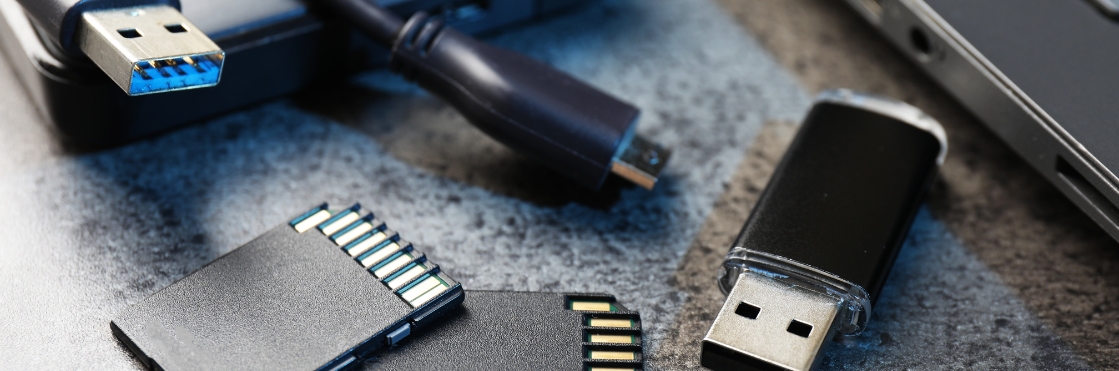
Not all devices are equally affected. The following components are most sensitive to memory cost increases:
a) Central Control Systems
These act as the “brain” of your smart home and require reliable SSD storage and DDR memory for smooth operation.
b) Smart Surveillance and Recording Systems
CCTV systems with local storage, video analytics, and playback features rely heavily on SSD capacity.
c) AI and Automation Controllers
Systems that learn user behaviour or run complex automation routines need more processing power and memory.
d) Home Servers and Local Processing Units
More advanced smart homes use local servers to reduce cloud dependency, which increases demand for high-performance memory.
Why Investing in Quality Still Matters
With rising costs, some homeowners may be tempted to cut corners. However, choosing lower-quality systems can lead to:
- Slower response times
- System lag or instability
- Limited scalability
- Shorter device lifespan
A well-designed smart home system should prioritise reliability, speed, and long-term performance, even if initial costs are slightly higher.
How to Future-Proof Your Smart Home Investment
Despite rising prices, there are ways to maximise value and ensure your system remains efficient over time.
- Plan for scalability: Choose systems that allow easy upgrades without replacing the entire setup
- Prioritise core infrastructure: Invest in a strong central system first, before adding additional devices
- Work with experienced integrators: A professional integrator can recommend the right balance between performance and cost
- Opt for efficient system design: Well-optimised systems reduce unnecessary hardware requirements, saving costs in the long run
Final Thoughts
The increase in SSD and DDR prices is part of a broader global trend affecting multiple industries. For smart homes, this translates into higher costs for devices and system integration, especially for advanced, high-performance setups.
However, this also highlights the importance of choosing the right system design and integration approach. A thoughtfully planned smart home will continue to deliver convenience, efficiency, and long-term value despite rising hardware costs.
Build a Smarter Home with the Right Expertise
At Home-A-Genius, we design and integrate the best smart home systems that balance performance, scalability, and cost-efficiency.
By leveraging the right technologies and system architecture, we help homeowners get the most value out of their investment, even in a changing hardware landscape.
Visit Home-A-Genius to book a consultation and future-proof your smart home today.
